
English First People 12 Unit 2

Main Topics:
-
Early contact with Europeans, including trade, settlement, and movement of people.
-
Effects of colonization: loss of land, residential schools, and changes to culture and language.
-
How Indigenous communities resisted, adapted, and stayed strong.
-
Understanding what stayed the same and what changed over time, and how actions caused certain effects.
focuses on what happened when Europeans first came to Canada and how it affected Indigenous peoples. Students learn about early contact, trade, and settlement, and how these events brought big changes to Indigenous life.
Colonization
Key Skills
-
Cause and effect: see how colonization caused short- and long-term changes.
-
Compare life before and after European contact.
-
See things from different viewpoints: Indigenous and non-Indigenous perspectives.
-
Think about fairness and how history should be remembered.
Suggested Activities
-
Make a timeline of major events from first contact to today.
-
Research one Indigenous community and how colonization affected it.
-
Debate or discuss: “Should residential schools be more important in Canada’s history lessons?”
-
Look at treaties or historical accounts and explain what they mean.
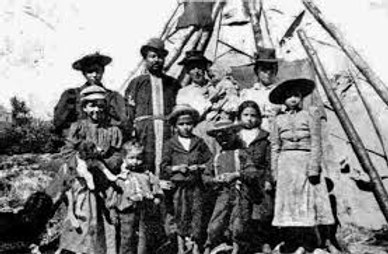


like loss of land, changes to culture, and the residential school system, which caused pain and hardship for many families. Students study how Indigenous peoples resisted and adapted to these changes, showing strength and resilience. By the end of the unit, students understand the lasting impacts of colonization, why it is important to learn about this history, and how it connects to ideas of respect, fairness, and reconciliation today.

The unit also looks at the negative effects of colonization, like loss of land, changes to culture,
The unit also looks at the negative effects of colonization, like loss of land, changes to culture, like loss of land, changes to culture,


